
Articles
The full version of what I post on LinkedIn.
The full version of what I post on LinkedIn.
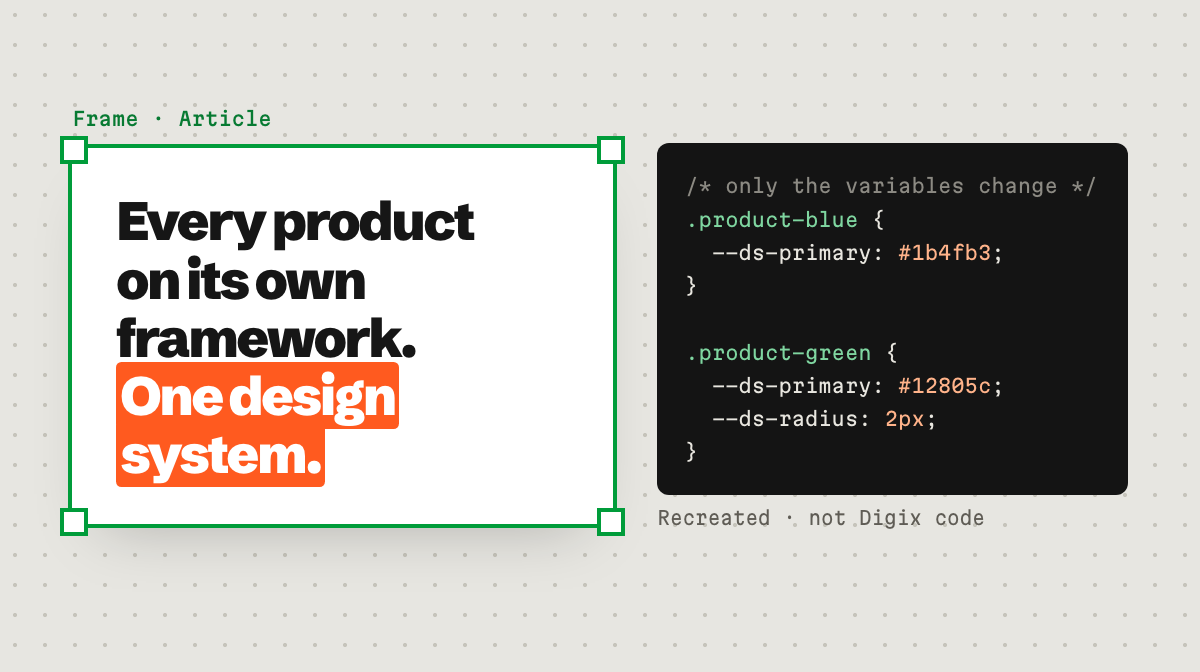
At Digix every product used a different technology, so we wrote the design system in plain HTML, CSS and JavaScript, with CSS variables as the contract. Years later it was still standing after a rewrite of PapelZero in Next.js.
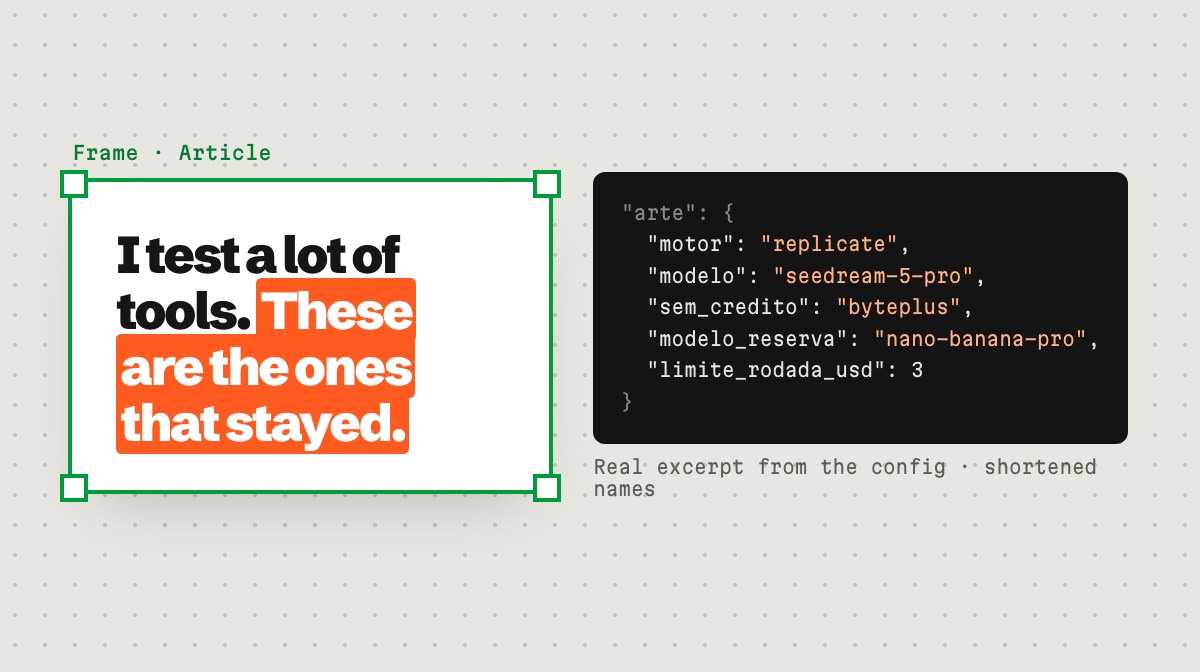
A short list of what I open every day, what I use each one for, and the free model I tested and gave up on.
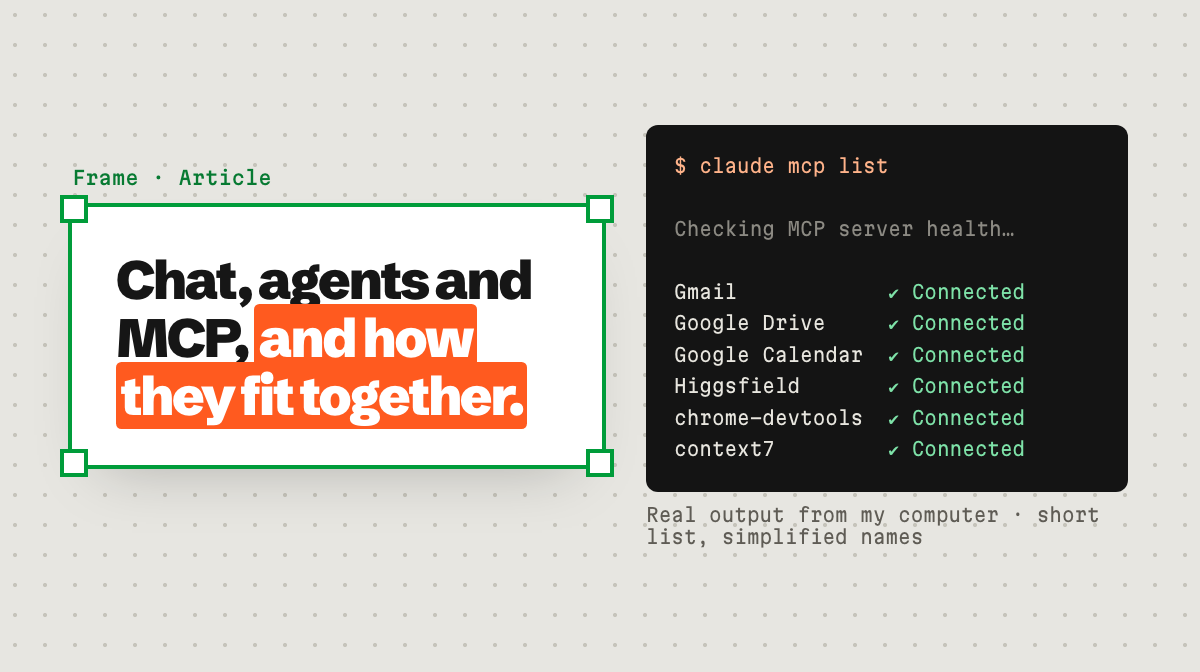
Three words that show up together in every AI post and almost never get explained. This is the simplest way I can explain them, with the connectors I use every day.
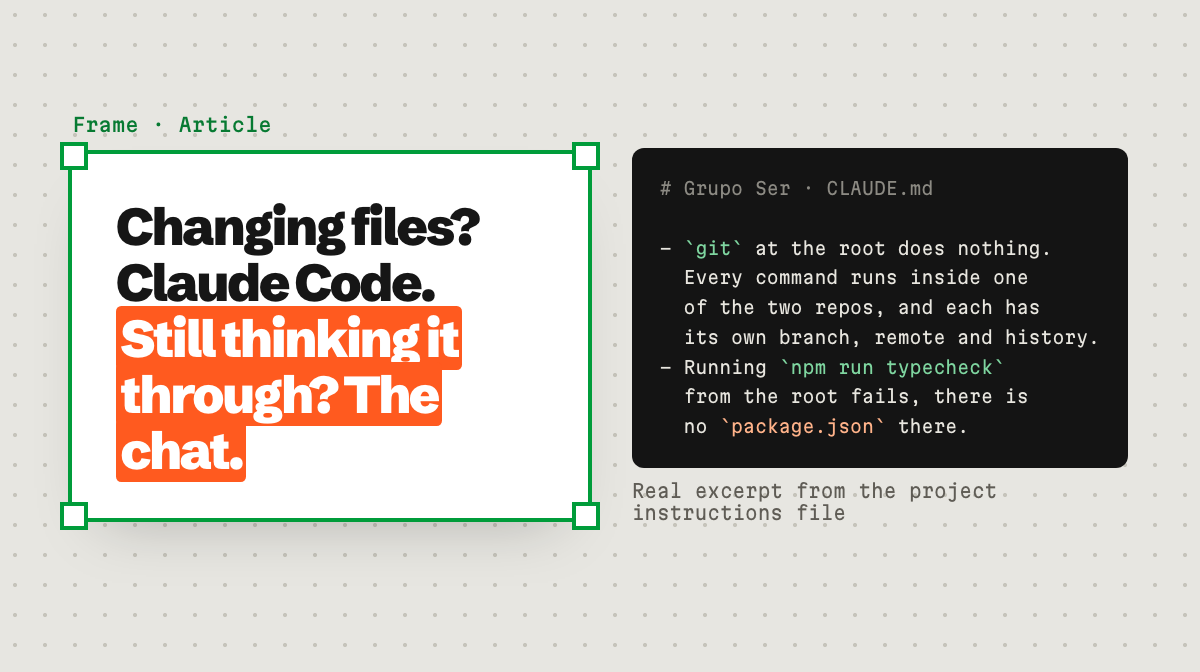
Both run on the same model, but they do different jobs. When I open each one, what goes wrong when I mix them up and the questions I ask to decide.
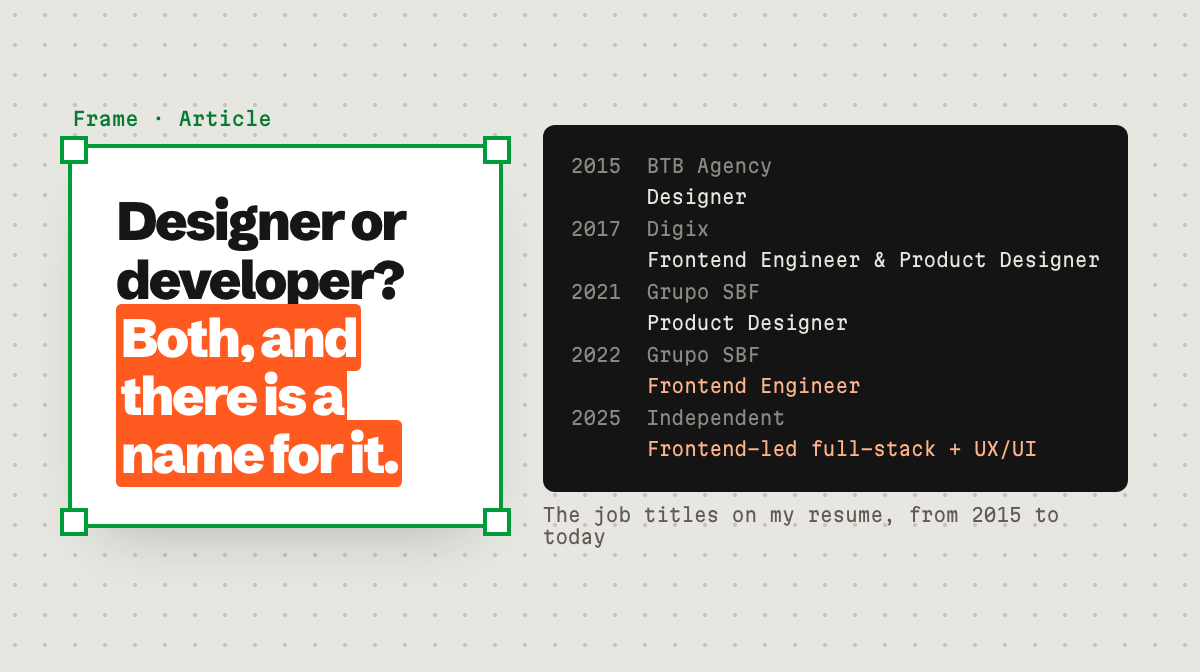
Ten years switching between designer and front-end, always feeling like I had the wrong title. What a design engineer is, what's expected from one and why I think this profile matters more now with AI.
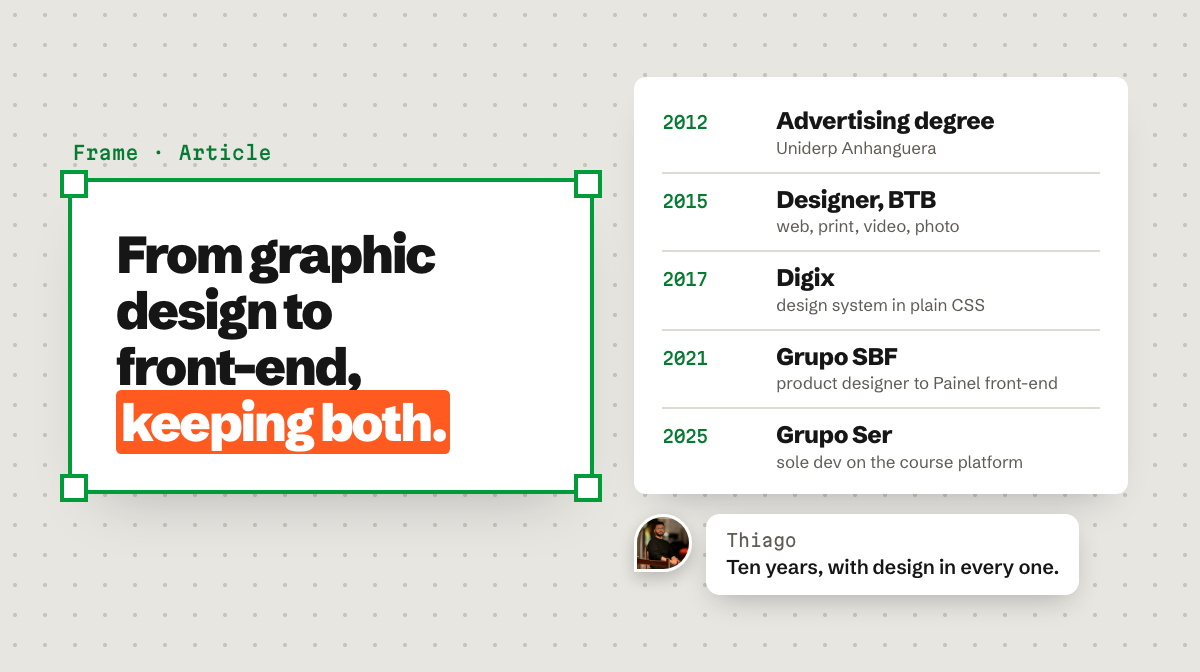
I have a degree in advertising and today I write front-end code. What a designer's eye gives someone who codes, and what changes when the screen stops being the deliverable.
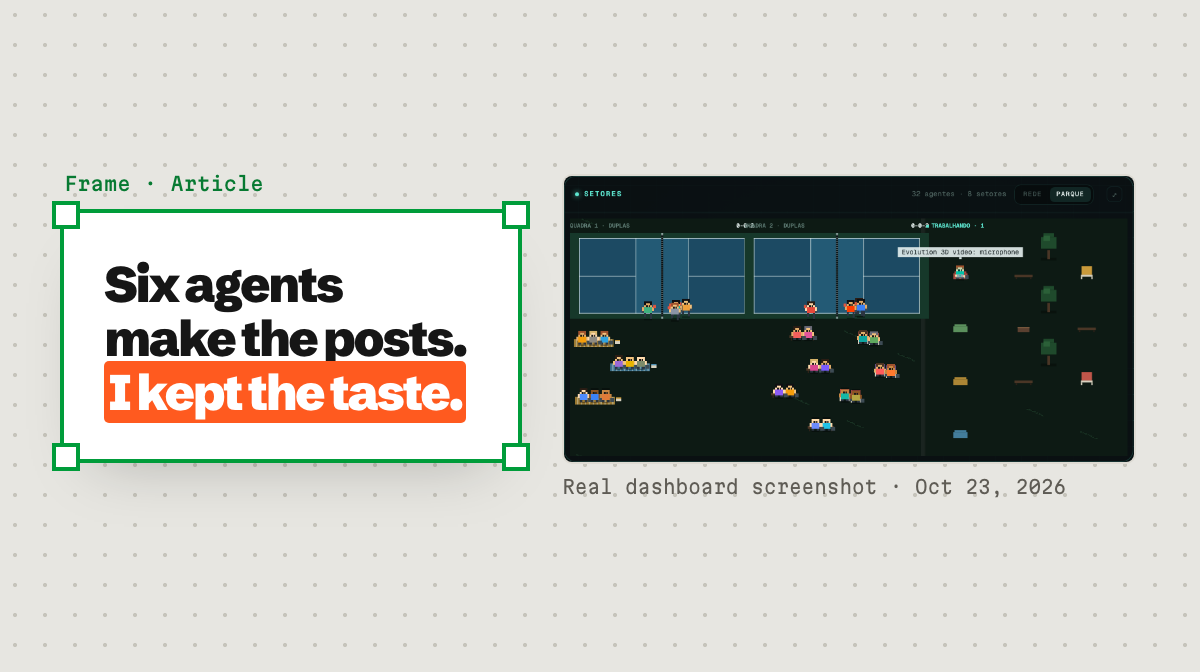
Six agents that plan, design, review and publish posts on their own, a dashboard so I can watch it all happen, and the parts that stayed my job.
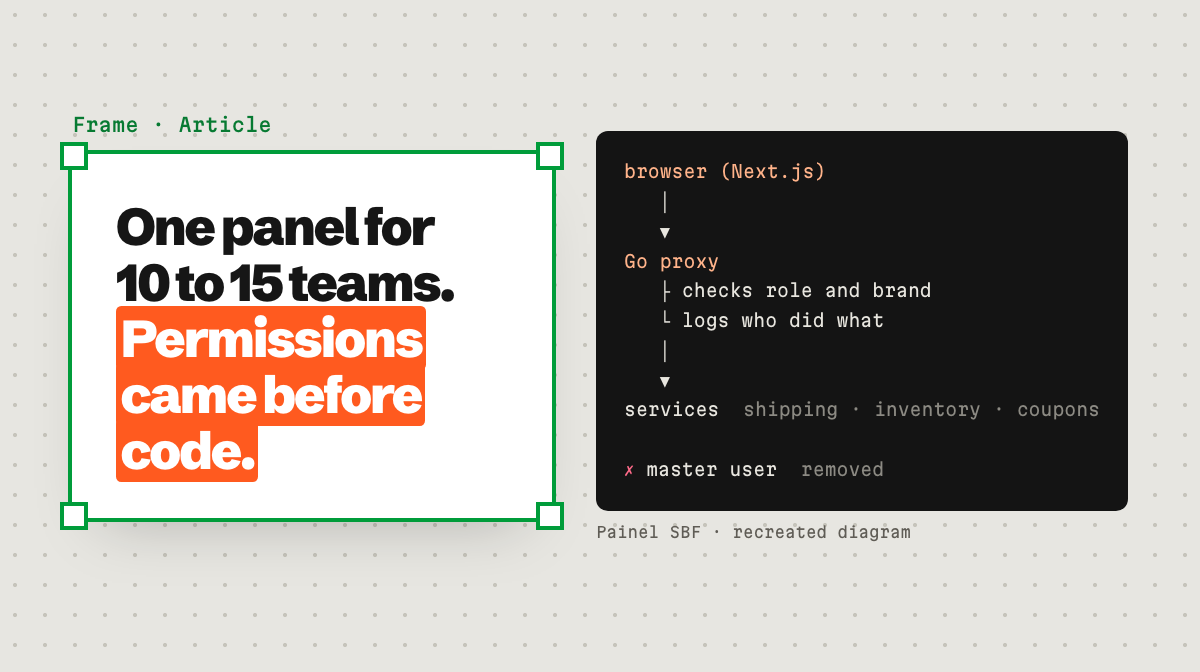
How a legacy C# admin became Painel SBF, why permissions were the first architecture decision and why the first feature we migrated was discount coupons.
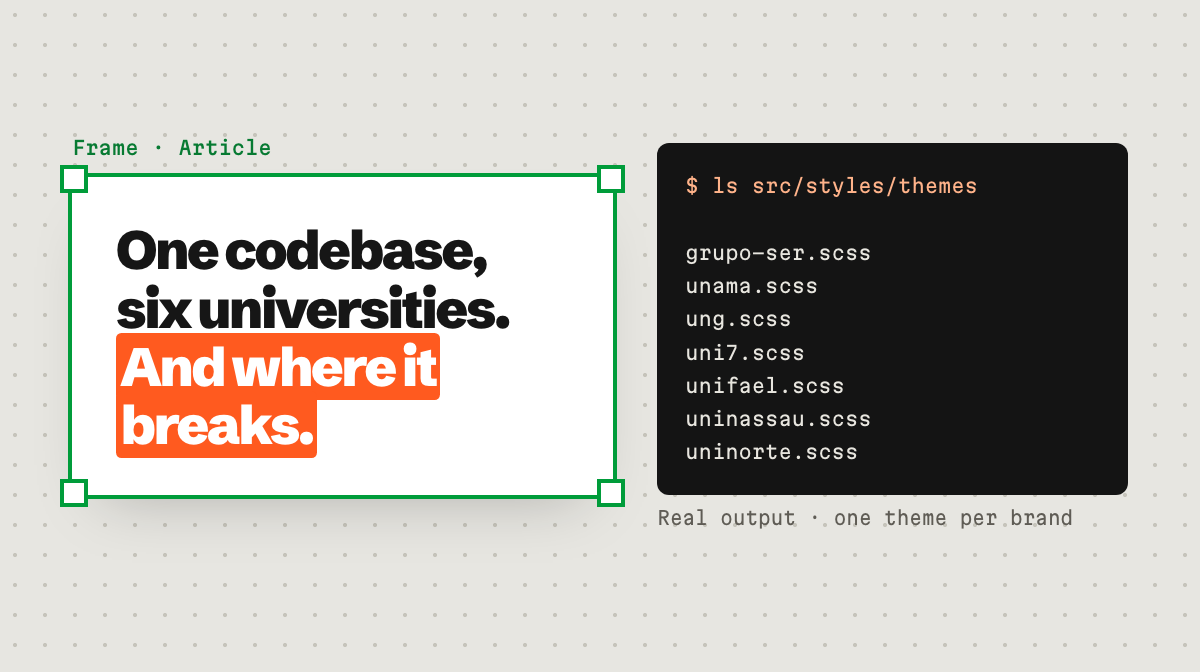
What changes per brand and what stays the same on the course platform I run at Grupo Ser, and the four places where one codebase for six universities ran into trouble.
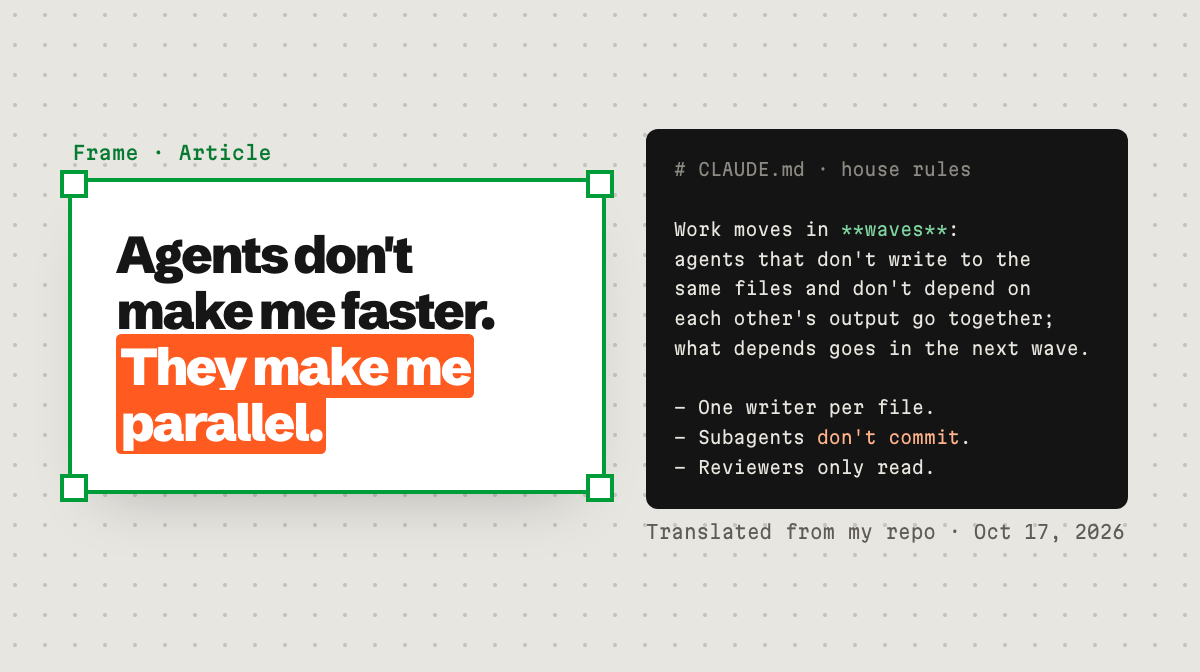
What I get from working with AI agents is getting several things done in parallel. The rules I wrote so that doesn't turn into a mess, and what I still don't leave to them.
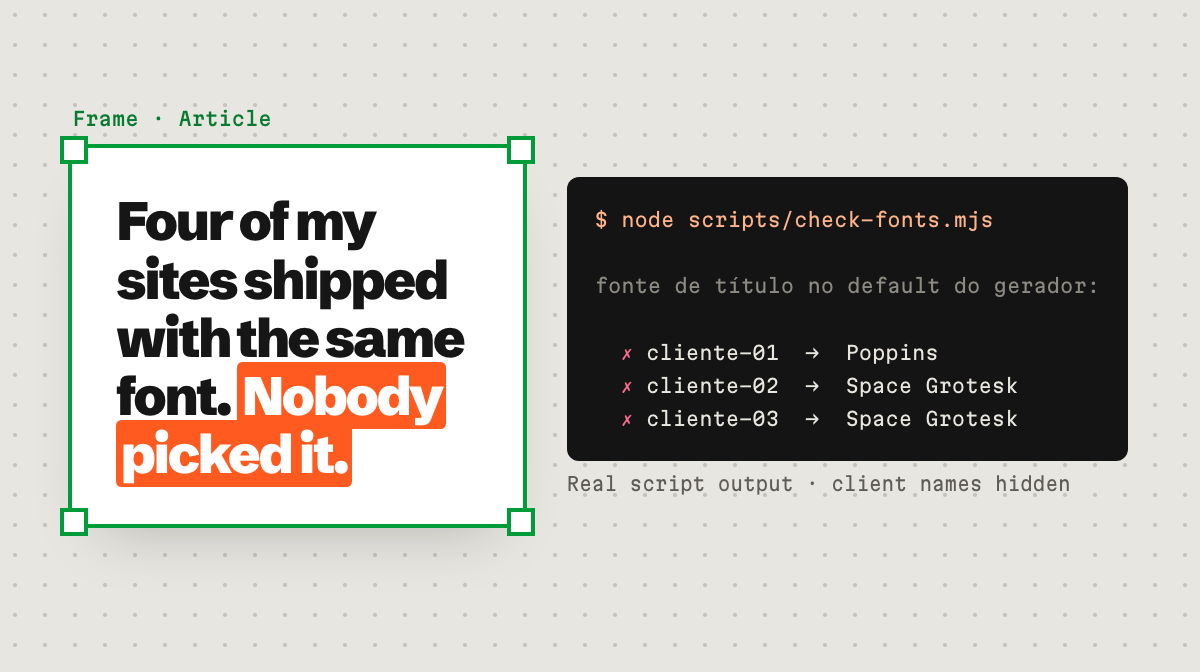
How to spot the layout AI gives you on autopilot, why a better prompt doesn't fix it, and the six rules I use in my website factory.